Table of Contents
- 1 Ramadan Desert Safari Abu Dhabi Guide 2026 – Shows, Iftar & Serenity Experiences
- 2 What Is Ramadan?
- 3 Desert Safaris During Ramadan: What Actually Changes
- 4 Shows vs. Serenity: Which Experience Is Right for You?
- 5 Best Desert Safari Types During Ramadan
- 6 What to Expect as a Visitor: Do’s & Don’ts
- 7 Is Ramadan a Good Time for a Desert Safari in Abu Dhabi?
- 8 FAQ: Your Ramadan Desert Safari Questions Answered
- 9 Final Thoughts: Choosing Meaning Over Noise
Ramadan Desert Safari Abu Dhabi Guide 2026 – Shows, Iftar & Serenity Experiences
The holy month of Ramadan in 2026 is scheduled to start on February and end on March. If your 2026 Abu Dhabi visit is scheduled during these months, you might have one question: Can I still experience a desert safari?
Although the answer is a yes, you will experience something different than the desert safaris conducted on usual days, a uniquely peaceful and culturally rich alternative. This guide will help you navigate these changes, compare your options, and choose the perfect serene safari for your trip.
Ramadan is the Islamic holy month of fasting, prayer, and reflection during which Muslims worldwide do not eat or drink from dawn to sunset. For visitors, this means public daytime dining is limited, while evenings become a vibrant time for community and gathering. Tour operators respectfully modify their evening programs to respect these spiritual changes. The high-energy belly dance and loud musical shows are swapped with cultural immersion, quiet conversation, and the natural peace of the desert under spectacular starry skies.
For the thoughtful traveler, a desert safari during Ramadan offers a rare glimpse into the soul of the region. The crackle of campfire replaces the high beat drums, the pouring of Arabic coffee, and the mesmerizing spectacle of stars uninterrupted by artificial light become highlights. If you seek connection over crowds, and atmosphere over entertainment, this is your moment.
Many travelers specifically seek out a Ramadan safari experience for this authenticity. It offers a deeper, more respectful connection to the local culture and the true essence of the desert itself. It is ideal for couples, photographers, culture enthusiasts, and those who prefer meaningful travel over crowded parties.
Ready to understand the specifics? The following sections detail exactly what to expect, from timing changes to the best types of safaris to book during this special season.
What Is Ramadan?
Ramadan is the holiest month for Muslims worldwide and is the ninth month in the Islamic Calendar. Muslims fast from dawn to sunset by abstaining from food, drink, and other worldly desires. They engage in prayer, spiritual reflection and take part in many community building acts of worship like charity.
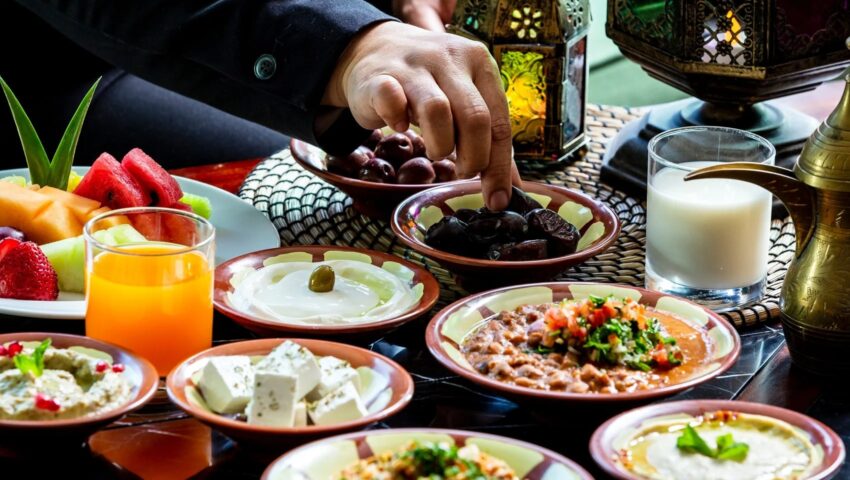
In the UAE, this month brings many changes to daily life. Working hours are reduced, daytimes are quieter, food shops open late as eating in the open is discouraged. As sunset approaches, the atmosphere shifts as the anticipation for Iftar (the meal for breaking the fast) increases. After night approaches, the streets are lively with social and spiritual energy as everyone is rushing for the night communal prayers (tarawih). This shift is also reflected in the desert and offers a backdrop of peace that feels both ancient and deeply respectful.
Desert Safaris During Ramadan: What Actually Changes
A Ramadan desert safari in Abu Dhabi is not a lesser version of the original tour, rather it is a different personality of the same tour. An experience that is modified out of respect for the holy month of Ramadan allowing the visitor to experience true peace and cultural authenticity in the desert not offered by a regular desert safari. Here are three ways in which the safaris during Ramadan are modified:
Less entertainment and shows.
Loud entertainment is omitted as a respect to the month of Ramadan as Muslims are commanded to abstain from any worldly desires. This means:
- The vibrant, music-led performances like Tanoura and belly-dancing are not performed.
- Camps do not play any background music allowing guests to listen to the authentic hum of the desert wind blowing over the sand dunes.
Outcome: The focus is more on genuine interaction with the desert and storytelling rather than staged performances.
Modified Itineraries
The schedules during Ramadan are also slightly different compared to the regular ones:
- Dinner is served early or offered as an Iftar meal during sunset (Maghrib) allowing visitors to experience the cultural observances of this month.
- Ramadan Evening safaris will finish earlier than their regular counterparts to make time for Tarawih (night-time prayers) and post-iftar family gatherings.
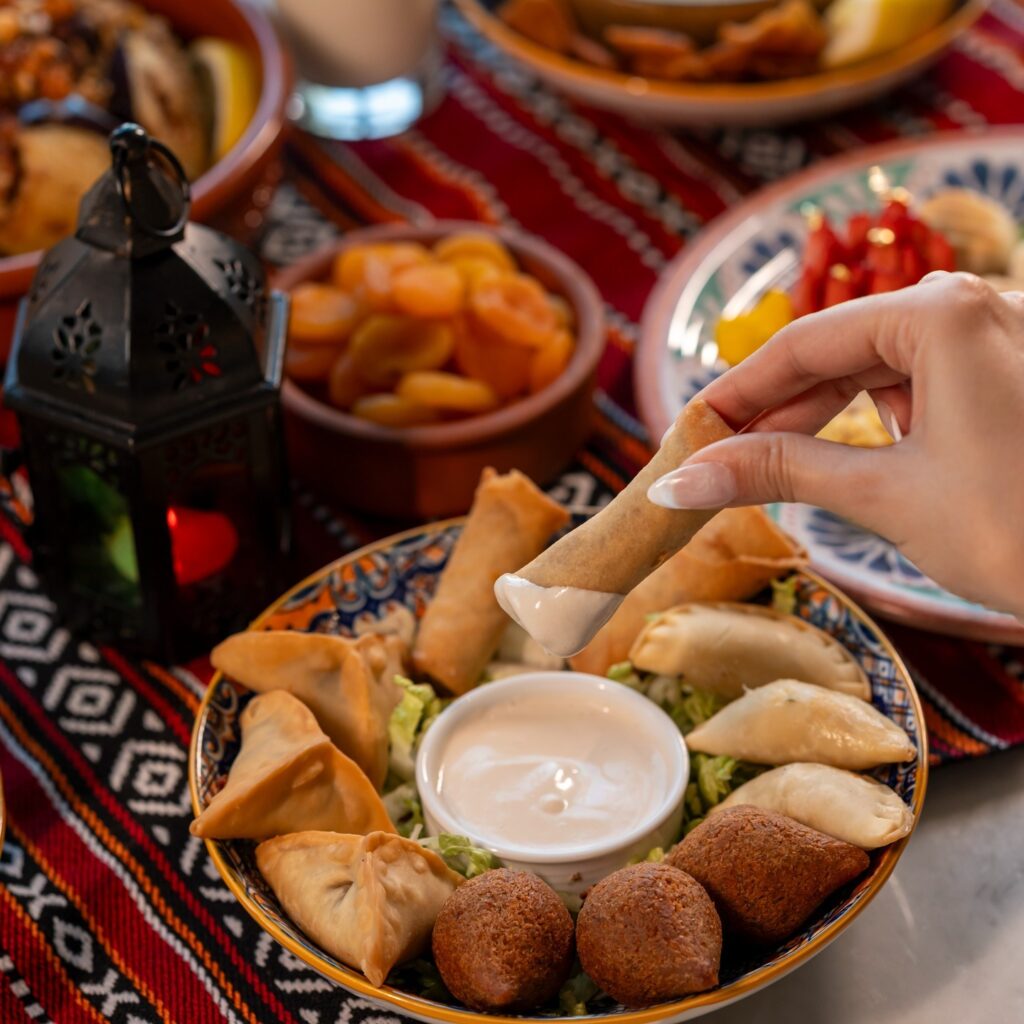
- More authentic and local food that are central to the iftar meal, like dates, hearty soups, Arabic sweets, and grilled meats, will be served.
Alcohol-Free Ambience
All desert camps follow a strict “No Alcohol” rule during Ramadan which significantly shifts the atmosphere to:
- A more family-friendly environment
- Encourages a more cultural vibe rather than a party vibe.
- Respects the spiritual tone of the month.
The Rise of Serenity: Why Ramadan Safaris Feel Special
These clever adjustments reveal the desert’s most peaceful and authentic side. This is the best experience for those who prefer genuine connections over planned entertainment. It is an ideal experience for couples, photographers and anyone wanting to stay away from the tourist bustle.
Peace of the Desert
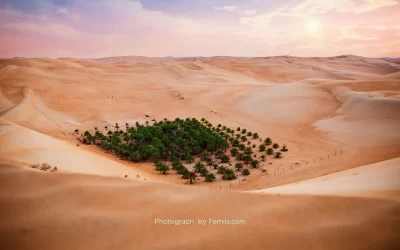
Unlike the crowded atmosphere in the regular seasons, the desert feels more private during Ramadan because of fewer tours operating and more focus on quieter activities. Camps have less crowds, views from the dunes are not obstructed and the iconic desert silence is truly felt.
Stargazing Becomes a Highlight
Ramdan desert safaris are the best opportunity for stargazing as there are no obstructing music or stage lights allowing visitors to view the night sky without any light pollution.
Stargazing in Al Quaa during Ramadan is an unparalleled experience because it is officially identified as the UAE’s darkest spot. With less crowds you can enjoy a perfect view of the night sky and interact with your guide properly.
The remote Liwa Desert in Ramadan also offers unspoiled views of the night sky framed by some of the world’s tallest dunes.
Spiritual & Cultural Atmosphere
You not only get to observe Ramadan, but also get to experience it with:
- Participating in Iftar, a beautiful community experience, with dates, water and other local iftar food.
- More interaction with hosts and guides as they have more time to converse and share stories about local traditions, the desert and the Bedouins.
- Being respectful of the local cultures and practices related to Ramadan.
Shows vs. Serenity: Which Experience Is Right for You?
| Feature | Regular Season Safari | Ramadan Desert Safari |
|---|---|---|
| Atmosphere | Energetic, celebratory, lively. | Peaceful, reflective, culturally immersive. |
| Evening Entertainment | Belly dance, Tanoura shows, fire, loud music. | Cultural storytelling, stargazing, quiet conversation around a fire. |
| Crowd Level | Typically higher, especially at camps. | Noticeably lower and more intimate. |
| Dining & Drink | BBQ buffet with alcohol available. | Traditional Iftar-focused meal, alcohol-free. |
| Timing | Later dinner and return. | Earlier Iftar dinner and return. |
| Best For | First-timers, groups seeking a “full” party-like experience. | Culture seekers, couples, photographers, families, repeat visitors, solitude lovers. |
Best Desert Safari Types During Ramadan
You can choose your desert safari adventure to maximize the unique benefits of the season:
Whether you choose Liwa or Al Quaa, it is the ultimate choice as it gives you the opportunity to enjoy the untouched night sky views and peaceful atmosphere.
- Private Safaris: This is suitable for families and couples with a private vehicle and guide offering complete flexibility. With this you can tailor the pace, focus on photography, and enjoy an intimate Iftar in a secluded spot.
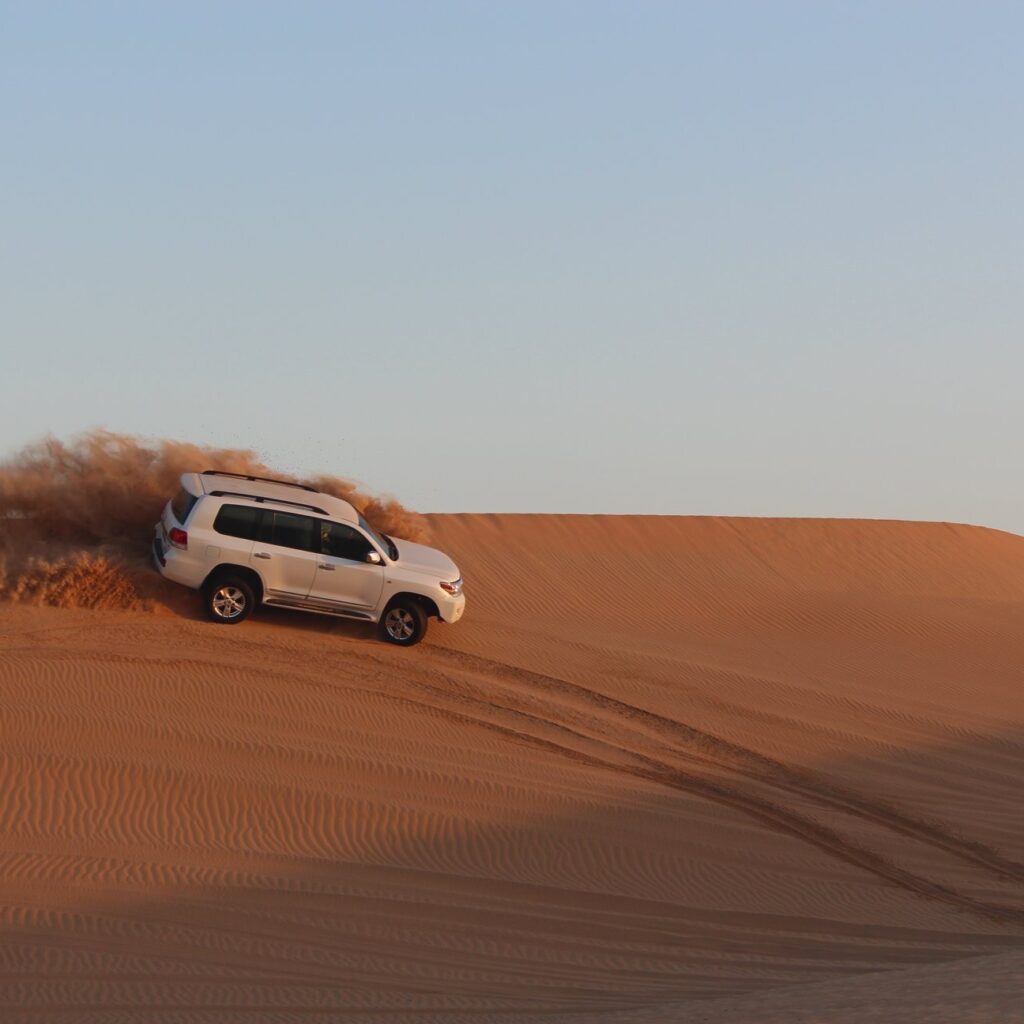
- Morning & Sunrise Safaris: Ideal for early birds, these two safari types are not affected by any Ramadan changes. These safaris offer adventure activities like dune bashing in cool temperatures, enjoying the desert environment in the golden light and more. You will return to the city in time for your lunch plans.
- Self-Drive or Photography Tours: Because of the reduced activity during the day, this is an ideal time for individual exploration or focused landscape photography in the peaceful dunes.
What to Expect as a Visitor: Do’s & Don’ts
DO dress modestly out of respect, especially when traveling to/from the desert and in camp. Shoulders and knees should be covered.
DO feel free to eat and drink in the desert camp during Iftar. You are not expected to fast. Participation in the Iftar meal is welcomed.
DO be discreet if you need to eat or drink during daytime hours outside of the private desert camp confines (e.g., in your private vehicle is fine).
DON’T play loud music or behave boisterously in public areas during the day.
DO engage with your guide. Ask questions about Ramadan and local culture. This respectful curiosity is appreciated.
DON’T offer food or drink to someone who is fasting during daylight hours.
Is Ramadan a Good Time for a Desert Safari in Abu Dhabi?
Yes, absolutely—if you value serenity, culture, and authenticity over loud entertainment.
Who should avoid it? Travelers looking for a party atmosphere with dancing and alcohol.
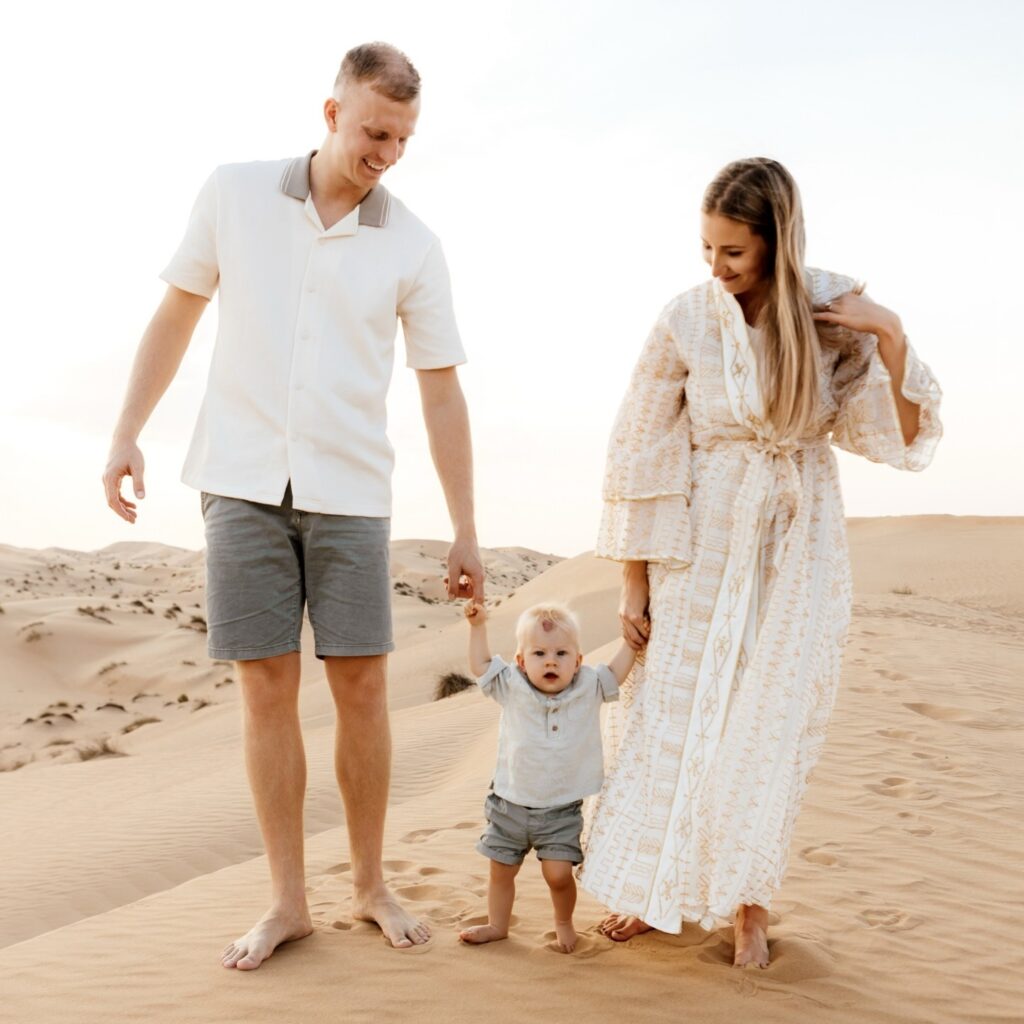
Who Is Going to Love It? Cultural explorers, couples looking for romance, photographers, stargazers, families looking for a relaxing day out, and returning visitors seeking a deeper connection to the desert.
FAQ: Your Ramadan Desert Safari Questions Answered
Is dune bashing available during Ramadan?
Yes, daytime adventure elements like dune bashing, sandboarding, and camel riding operate as usual. The changes are usually to the evening camp entertainment and dining.
Can tourists eat during the day in the desert?
While you should not eat in public spaces in the month of Ramadan, it is perfectly acceptable to eat and drink within the privacy of your safari vehicle or at your dedicated desert camp once you arrive.
Are overnight safaris allowed during Ramadan?
Yes, and they are highly recommended. Overnight Ramadan safari experiences in places like Liwa or Al Quaa are exceptional for stargazing and enjoying the cool, quiet desert night.
Are desert camps open during Ramadan?
Yes, they are open and operational, but they adapt their programs as described (no loud entertainment, alcohol-free, Iftar-focused dining).
Is a Ramadan desert safari cheaper?
Pricing is generally similar, though you may find offers for early bookings or for private groups. The value proposition shifts: you are paying for a more exclusive, culturally-rich experience rather than a high-energy show.
Final Thoughts: Choosing Meaning Over Noise
A Ramadan desert safari in Abu Dhabi is a deliberate decision for a new type of travel—one that prioritizes mood over amusement and connection over crowds. It is an invitation to consider the desert as more than just a background for adventure seekers, but as a majestic, silent place that has inspired generations.
This holy month simplifies the experience down to its most basic beauty: the warmth of hospitality, the taste of dates at dusk, and the shared amazement of a universe of stars. It is, in many ways, the desert’s most authentic offering.
Are you ready to embrace the serenity? Explore our carefully planned private and overnight Ramadan desert safaris, which are specifically created to reflect the spirit of Ramadan and provide an amazing journey into the heart of the quiet, starlit dunes.